







For many people, the first step in evaluating their health or fitness progress is stepping on a scale. While body weight can provide useful information, it does not reveal the complete picture of a person’s overall health.
Two individuals may have the same weight and height but completely different body compositions, fitness levels, and health risks. This is why body composition analysis has become an essential tool in modern healthcare, nutrition, fitness, and wellness industries.
The Limitations of Traditional Weight Measurements
A standard scale measures total body weight, but it cannot determine what that weight consists of. It does not differentiate between:
- Body fat
- Muscle mass
- Body water
- Bone mass
- Fat distribution
As a result, a person may lose weight while also losing valuable muscle mass, which is not always a positive outcome. Likewise, someone who gains muscle through exercise may see little change on the scale despite significant improvements in health and fitness.
Understanding Body Fat Percentage
Body fat percentage is one of the most important indicators of overall health. Excess body fat may increase the risk of several health conditions, including:
- Cardiovascular disease
- Type 2 diabetes
- High blood pressure
- Metabolic syndrome
- Joint-related problems
Monitoring body fat levels helps healthcare professionals and fitness experts create more effective health and weight management strategies.
The Importance of Muscle Mass
Muscle plays a critical role in movement, strength, metabolism, and overall health.
Individuals with higher levels of healthy muscle mass often experience:
- Improved physical performance
- Better metabolic efficiency
- Increased calorie expenditure
- Enhanced functional mobility
- Better long-term health outcomes
For this reason, successful wellness and weight management programs focus not only on reducing fat but also on preserving or increasing muscle mass.
Visceral Fat: The Hidden Health Risk
One of the most important measurements provided by modern body composition analyzers is visceral fat assessment.
Visceral fat is stored deep within the abdominal cavity and surrounds vital organs such as the liver, pancreas, and intestines. High levels of visceral fat have been associated with an increased risk of:
- Heart disease
- Insulin resistance
- Type 2 diabetes
- Chronic inflammation
- Metabolic disorders
Unlike subcutaneous fat, visceral fat is not always visible, making advanced body composition analysis particularly valuable.
How Body Composition Analysis Helps
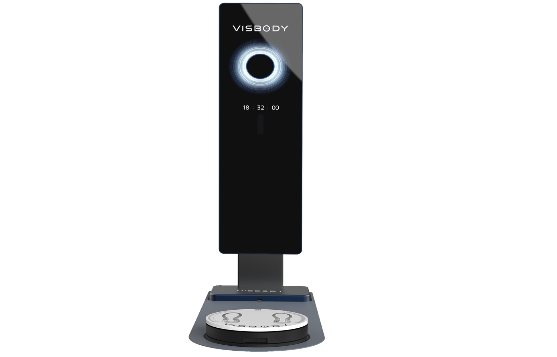
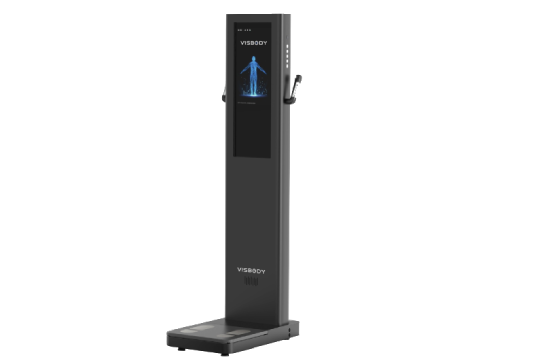
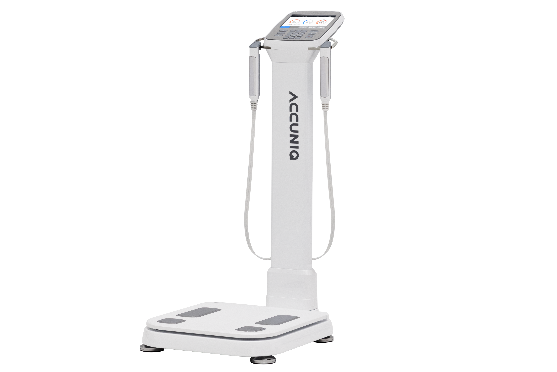
Modern body composition analyzers provide a comprehensive assessment of a person’s body structure by measuring:
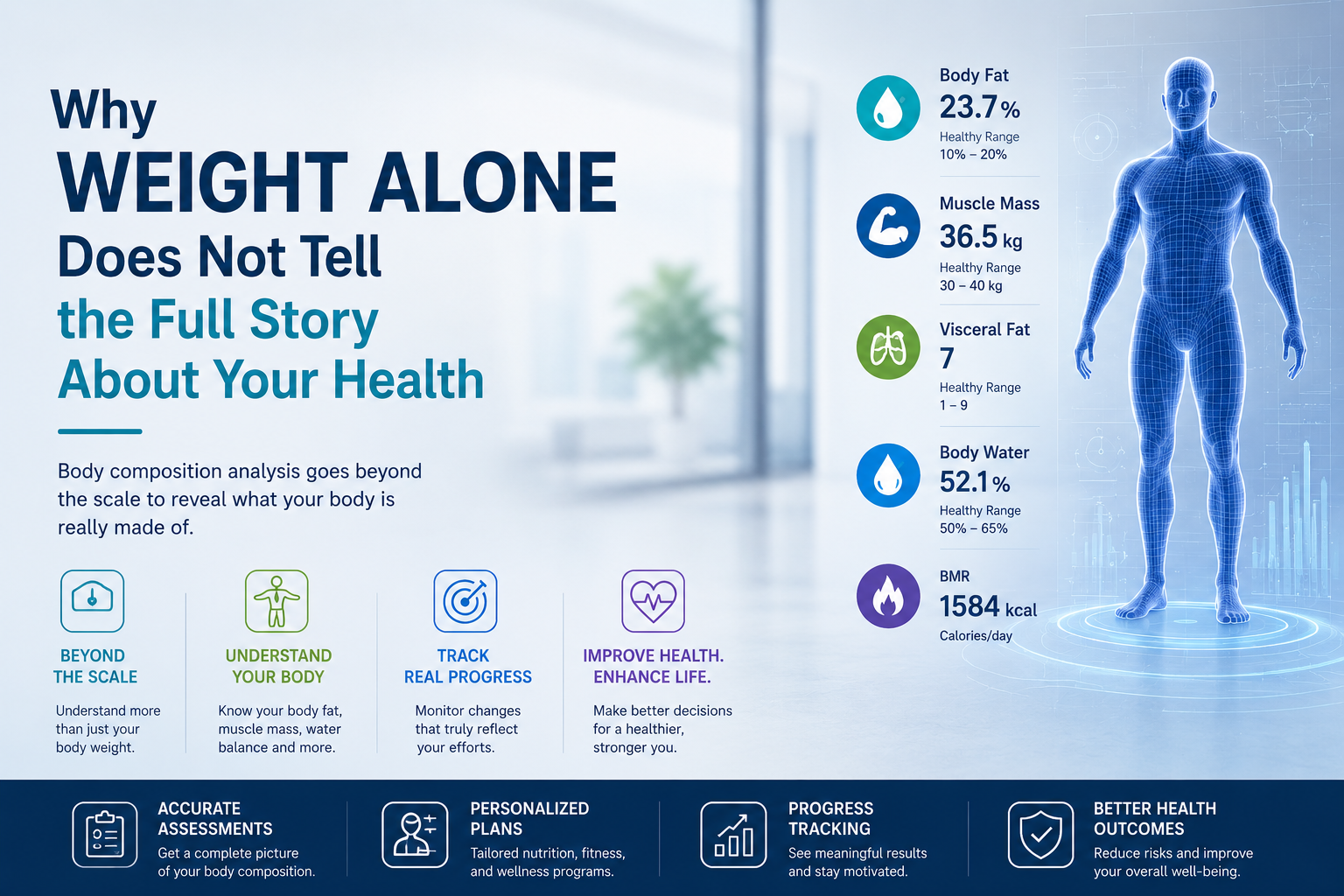
- Body Fat Percentage
- Skeletal Muscle Mass
- Visceral Fat Level
- Body Water Balance
- Segmental Muscle Distribution
- Basal Metabolic Rate (BMR)
- Weight Management Indicators
These insights help professionals make informed decisions and create personalized health and fitness programs.
Benefits for Healthcare and Fitness Professionals
More Accurate Assessments
Body composition analysis provides a deeper understanding of a client’s health status than weight measurements alone.
Personalized Recommendations
Nutrition plans, exercise programs, rehabilitation strategies, and wellness interventions can be tailored based on objective data.
Progress Monitoring
Regular assessments allow professionals and clients to track meaningful changes over time and adjust programs when necessary.
Enhanced Client Engagement
Visual and measurable results help clients better understand their progress and stay motivated throughout their health journey.
Why More Organizations Are Adopting Body Composition Analysis
Today, body composition analyzers are widely used in:
- Hospitals
- Medical Clinics
- Nutrition Centers
- Fitness Clubs
- Physiotherapy Clinics
- Wellness Centers
- Sports Performance Facilities
As preventive healthcare continues to grow, organizations increasingly recognize the value of providing data-driven health assessments that support long-term wellness outcomes.
Conclusion
The number on a scale is only one part of the health equation. Understanding body fat, muscle mass, body water, and visceral fat provides a much clearer picture of overall health and physical performance.
Body composition analysis enables healthcare professionals, nutritionists, fitness coaches, and wellness experts to make better decisions, deliver personalized recommendations, and help clients achieve sustainable results.
As technology continues to advance, body composition analysis will remain a cornerstone of modern health, fitness, and wellness assessment.


 +965 22274720